
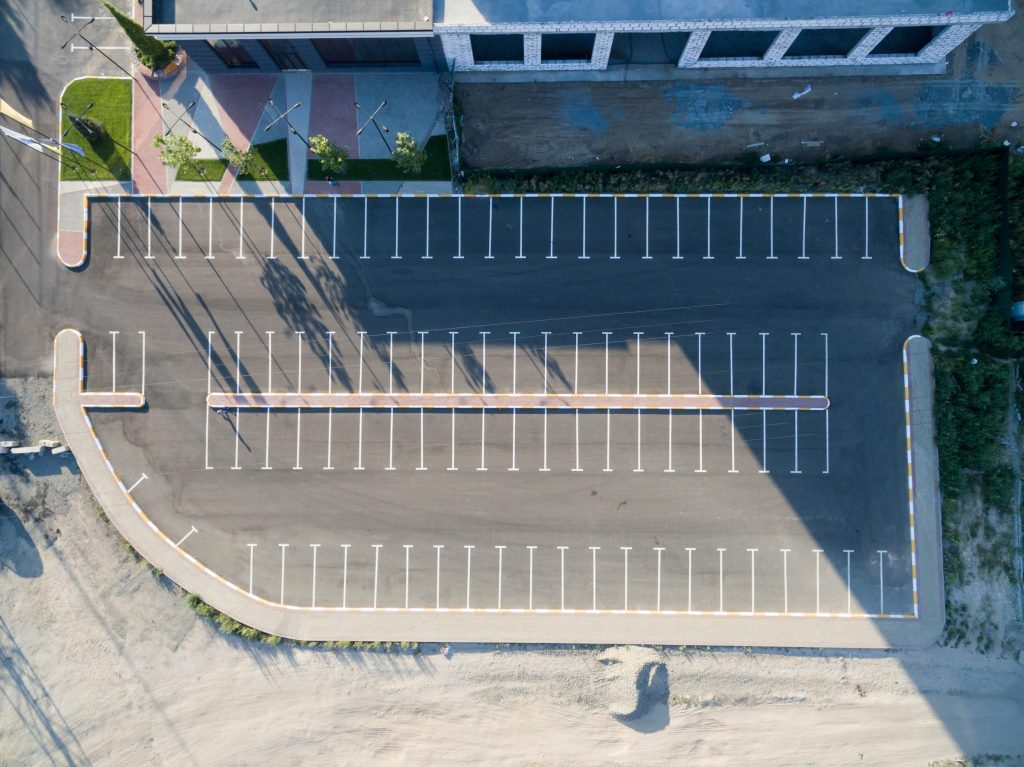
Commercial asphalt surfaces lose structural integrity without routine asset management. Property managers frequently overlook early warning signs of degradation, assuming pavement demands attention only when large failures occur. Delaying localized restoration shifts a standard operating expense into a massive capital replacement liability.
Many building administrators mistake reactive patching for a comprehensive preservation strategy. They hire budget operators to throw cold-pour compound into deep openings during the spring and consider the task complete. A top-tier operational plan focuses on preventative upkeep, targeting small flaws before they allow moisture infiltration. Moisture represents the primary catalyst for total subsurface failure, expanding and contracting within subbase layers until the top course collapses entirely.
Why Do Weather Patterns Accelerate Pavement Failure?
The meteorological conditions in many climate zones demand specialized asphalt and concrete engineering strategies. Extreme summer temperatures heating regional surfaces to high levels alternate with sudden freezing patterns during winter storms. This continuous thermal expansion and contraction cracks rigid materials, accelerating the lifecycle breakdown of untreated commercial parking assets.
The regional soil profiles complicate this mechanical stress pattern further. Certain expansive clay soils expand aggressively when saturated with water and shrink dramatically during summer droughts. This shifting subbase causes the overlying pavement structure to bend, leading to linear fracturing along weak joints. Property managers must inspect their facilities directly after major storms to identify where shifting soils are actively destabilizing perimeter curbs.
Water penetration during heavy downpours turns minor surface cracks into structural failures. When moisture moves through open cracks, it pools directly between the asphalt top course and the supporting gravel layer. Heavy commercial trucks driving over these saturated areas push water downward with immense hydraulic pressure. This action washes away the fine gravel base, leaving empty voids beneath the driving surface that quickly turn into large potholes.
How Does Subbase Integrity Impact Commercial Parking Structures?
An asphalt layer depends entirely on the stability of the stone foundation built beneath the surface. If the underlying rock base softens or shifts, the top driving course will sag and split under standard vehicle loads. True surface preservation focuses heavily on keeping this hidden foundation dry and stable over long operational periods.
Property managers can identify foundation distress by looking for localized depressions or rutting along main drive lanes. Rutting appears as long channel indentations where heavy delivery trucks or regional transit vehicles travel daily. These channels indicate that the underlying aggregate layer was either improperly compacted or lacked the specific thickness required to support heavy vehicle weights. Adding a thin layer of asphalt over these sunken tracks fails to fix the structural issue, as the new material will quickly sink into the same damaged pattern.
Fixing deep foundation failures requires an aggressive restoration method known as full-depth reclamation or localized excavation. Technicians cut out the failed section, remove the compromised base material, and install a brand-new compacted crushed stone matrix. This technical approach addresses the root cause of the structural weakness instead of masking the damage with surface cosmetics. Prioritizing deep repairs prevents localized failures from spreading across the rest of the commercial park.
What Are the Real Financial Pitfalls of Neglecting Sealcoating?
Skipping routine sealcoating represents a major financial mistake that shortens the lifespan of commercial asphalt assets. Unprotected pavement faces constant damage from solar radiation, vehicle fluid leaks, and heavy rainwater runoff. Applying a defensive barrier coating every few years stops this damage, keeping your maintenance costs predictable and low.
Oxidization from intense sunlight strips away the essential flexible oils that hold the dark asphalt aggregate together. As these oils disappear, the pavement transitions from a rich charcoal color to a brittle gray shade. This color shift signals that the material is losing its flexibility, making it highly susceptible to hairline fractures under everyday traffic. Sealcoating acts as a protective shield against solar rays, stopping this drying process and keeping the pavement highly flexible.
The financial breakdown of proactive care versus total reconstruction highlights the importance of this service:
- Initial Surface Sealcoating: Spending a modest amount per square yard early avoids premature asset failure.
- Delayed Crack Repair: Waiting for major damage increases your per-foot repair costs significantly.
- Full Structural Resurfacing: Ignoring preventative options forces a total mill and overlay project that costs substantial capital.
Are You Choosing the Correct Asphalt Repair Methodology?
Selecting the right repair technique requires evaluating the specific depth and severity of the asphalt damage. Property managers often choose cheap surface patches to save money, only to watch the same spots fail within a few months. Matching the repair method to the technical failure ensures lasting repairs that stand up to constant commercial use.
Skin patching involves raking hot asphalt over a depressed area without digging out the broken material beneath. This fast option works well for low-traffic spots with minor cosmetic issues, but it fails to address structural damage. If your parking lot suffers from deep cracking or alluvial structural failure, skin patching will not hold up. The underlying movement will quickly push straight through the new surface layer.
Infrared seamless asphalt restoration offers an advanced technical solution for localized commercial surface damage. Specialized crews use infrared heating panels to warm the existing broken asphalt up to high temperatures, melting it back into a workable state. Workers then mix in fresh binding resins and new aggregate before compacting the entire area flat. This method fuses the repair patch directly with the surrounding pavement, eliminating cold joints that let water leak down into the foundation.
Why Is Crack Sealing Your First Line of Defense?
Sealing open pavement fractures represents the single most cost-effective preventative maintenance task available to property managers. Cracks wider than a quarter of an inch allow rainwater to pour straight into the underlying stone foundation. Blocking this path keeps water out, stopping potholes from forming and saving you from costly emergency repairs.
The injection process requires precise mechanical preparation to ensure a permanent bond with the asphalt:
- Mechanical Routing: Technicians use a specialized router to cut a clean, uniform channel along the fracture path.
- High-Pressure Cleaning: Compressed air systems blast out loose dirt, organic matter, and residual moisture from the open channel.
- Hot-Rubber Application: Crews inject the heated sealant, finishing the job with a flush-strike tool to level the material.
How Do Poorly Managed Pavement Slopes Cause Foundation Failure?
Standing water represents a major threat to commercial parking structures. When a parking lot lacks proper sloping, water pools across the driving surface instead of flowing out toward storm infrastructure. This standing water softens the asphalt top layer and gradually seeps down into the stone foundation below.
Professional pavement design requires a minimum slope of one to two percent to ensure water clears the driving lanes efficiently. When low spots form due to subbase settlement, water builds up into standing pools after minor storms. If vehicles drive through these pools continually, the constant physical pressure forces water straight into the asphalt pores. Over time, this hydraulic action strips the asphalt cement away from the stone aggregate, causing the surface to crumble.
Fixing drainage issues often requires installing localized concrete valley gutters or adjusting catch basin elevations. Concrete handles standing water much better than asphalt because it resists chemical breakdown from moisture and vehicle fluids. Replacing flat, chronically wet asphalt sections with custom-poured concrete gutters redirects runoff cleanly toward storm sewer systems, keeping the surrounding asphalt dry and stable.
How Do Tree Root Systems Destroy Parking Lot Infrastructure?
Beautiful landscaping adds curb appeal to commercial properties, but invasive tree roots can ruin your parking lot from underneath. As shallow root systems grow and expand, they exert massive upward pressure on the stone base and asphalt courses above. This causes the pavement to lift, creating dangerous trip hazards for pedestrians and cracking the driving surface.
Property managers often try to fix this issue by simply shaving down the raised asphalt or applying a thin patch over the hump. This quick fix ignores the growing root below, which will continue to push upward and crack the new material within a year. A lasting repair requires cutting away the damaged asphalt, removing the problematic roots, and installing physical root barriers. These thick plastic barriers redirect future root growth downward, keeping it safely away from the pavement foundation.
Frequently Asked Questions
How Often Should a Commercial Parking Lot Be Sealcoated?
A commercial parking lot should be sealcoated every two to three years depending on vehicle traffic volume and exposure to the sun. Applying a new layer of sealer on this schedule protects the asphalt binder from drying out and breaking down. High-traffic properties like retail shopping centers may require more frequent applications along main drive lanes to prevent premature surface wear.
How Long Must Vehicles Stay off a Parking Lot After Sealcoating?
Vehicles should stay off a freshly sealcoated parking lot for at least twenty-four to forty-eight hours to allow the material to cure completely. The exact drying time depends heavily on local humidity levels, wind speeds, and sunlight exposure during application. Walking on the surface is often safe after a few hours, but turning heavy car tires too early will scuff and tear the tender film.
Why Do Concrete Curbs Crack and Pull Away from the Main Parking Lot?
Concrete curbs crack and separate due to the natural expansion and contraction of certain clay soils combined with water penetration along the pavement joint. When rainwater drains into the unsealed gap between the asphalt and the concrete gutter, it softens the soil directly under the curb. This loss of support causes the heavy concrete sections to shift, tilt, and break away from the main parking layout.
Protect Your Pavement Assets with Expert General Contracting Services
If you want to maximize the lifespan of your commercial parking structures, trust B&R General Contracting to fix your pavement assets correctly. We work cleanly to restore your surfaces while maintaining strict safety standards across your entire property layout. Contact us today to book a comprehensive facility assessment and secure your infrastructure investment for the long term.